
How to distinguish glass kitchen utensils
Due to the fact that the main chemical components of glass products are inorganic compounds such as silicon dioxide, sodium oxide, and calcium oxide, the country has strict regulations on the separation limits of tableware. Glass tableware and drinking utensils produced by legitimate enterprises are not harmful to the human body, so customers basically do not have to worry about the potential harm of glass tableware to food safety. The glass tableware that we come into contact with in daily life can be divided into sodium calcium glass, which includes general glass, borosilicate glass, lead crystal glass, and microcrystalline glass. Tempered glass is further processed on the basis of ordinary glass. These raw materials each have their own characteristics and should be treated differently when used.
soda-lime glass
Most glass cups and bowls at home are made of this material, and its temperature difference is greater than 50 ℃, so it should be used reasonably within this range. For example, taking out a glass in the refrigerator and immediately pouring boiling water, there is a possibility of rupture. Other than that, sodium calcium glass products are not recommended to be heated in a microwave oven, otherwise there will be certain safety hazards.
Borosilicate glass
It is also heat-resistant glass, commonly used in glass preservation boxes. Its characteristics include good chemical stability, high strength, and a temperature difference of more than 110 ℃ during drastic changes. It has good heat resistance and can be safely used in microwave ovens and ovens. However, there are still some necessary precautions when using it in different situations. Firstly, if using this type of fresh-keeping box to freeze liquid, be careful not to overfill it and the lid should not be tightly closed, otherwise the liquid will expand during freezing, putting pressure on the lid, which may affect its service life. Secondly, the lunch box taken out of the freezer should not be immediately heated with strong microwave heat. Again, do not tightly cover the box cover during regular heating. The gas generated during heating can cause damage to the product by kneading the box cover, and prolonged heating can also make it difficult to open the box cover.
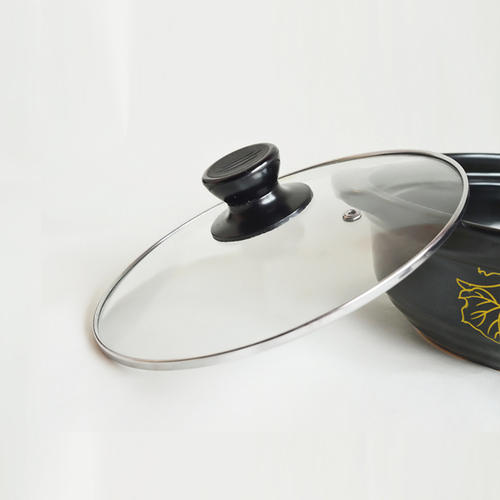
glass-ceramic
Also known as heat-resistant glass, the popular glass cookware on the market is made from this material. Its characteristic is particularly good heat resistance, with a temperature difference of 400 ℃ during drastic changes. However, domestic manufacturers have not yet started producing microcrystalline glass cookware, so there are no relevant regulations for it. It is recommended that customers carefully check the quality inspection report of the product and fully understand its functions when purchasing.
Lead crystal glass
Commonly known as crystal glass, it is usually used to make tall cups. Its characteristics are good refractive index, crisp sound, and good hand feel. But some people have suggested that using this cup to hold acidic beverages can lead to lead separation, which is harmful to health. Experts say that such concerns are unnecessary. Firstly, the country has strict regulations on the amount of lead separation. The strict experimental conditions set in the standards cannot be replicated in daily life. In order to avoid questioning food safety, experts still advocate not to store acidic liquids in lead crystal glass cups for a long time.
Tempered glass
Generally, glass is made by physical tempering. Compared with ordinary glass, its impact resistance is greatly enhanced, and there are no sharp or sharp fragments after breakage, which greatly improves its heat resistance. However, it is not recommended to heat tempered glass tableware in the microwave, as it may pose a risk to the product.
Experts remind customers that glass is brittle material and its defect is poor impact resistance. Even tempered glass tableware should not be protected from impact. In addition, do not use steel wire balls to brush any glass products during cleaning. When it rubs against the surface of glass, it will form scratches that are invisible to the naked eye, which will to some extent affect the strength of glass products and shorten their service life
Article source: Tempered glass coverwww.yinghuade.com
-
12-03
Tempered Glass Cover: How to Clean Glass Pot Cover
1. Flour has a strong adsorption effect and can absorb and remove oil stains from the pot lid. The specific steps are to evenly apply flour to the surface of the pot lid, and the amount of flour used
-
12-03
Glass cap manufacturer: Reasons and solutions for foaming of glass bottles after high-temperature spray painting
The primary reason for the foaming of glass bottles during high-temperature spray painting is:1. The coating comes into contact with water or is exposed to high temperatures;2. The solvent evaporates
-
12-02
Silicone pot cover: What is the difference between acrylic panel and glass panel
Distinguishing by chemical properties:Acrylic panels are classified as organic glass panels, which are synthetic plastic panels; Glass panels are classified as inorganic panels.From the perspective of
-
12-01
Market demand for tempered glass covers
The market demand for glass covers will increaseThe material conditions of modern society have been greatly satisfied, and the production of more and more materials and products has reached market sat
Copyright © 2026 Jiangmen Yinghua Technology Industrial Co., Ltd All rights reserved