
Differences in raw materials for tempered glass covers
Tempered glass cover made of float glass: The forming process of float glass production is completed in a tin bath filled with protective gases (N2 and H2). Molten glass flows continuously from the tank furnace and floats on the surface of the relatively dense tin liquid. Under the effect of gravity and surface tension, the glass liquid spreads and flattens on the tin liquid surface, forming a flat upper and lower surface. After hardening and cooling, it is led up to the transition roller platform. The rollers on the roller table rotate, pulling the glass ribbon out of the tin bath and into the annealing kiln. After annealing and cutting, flat glass products are obtained.
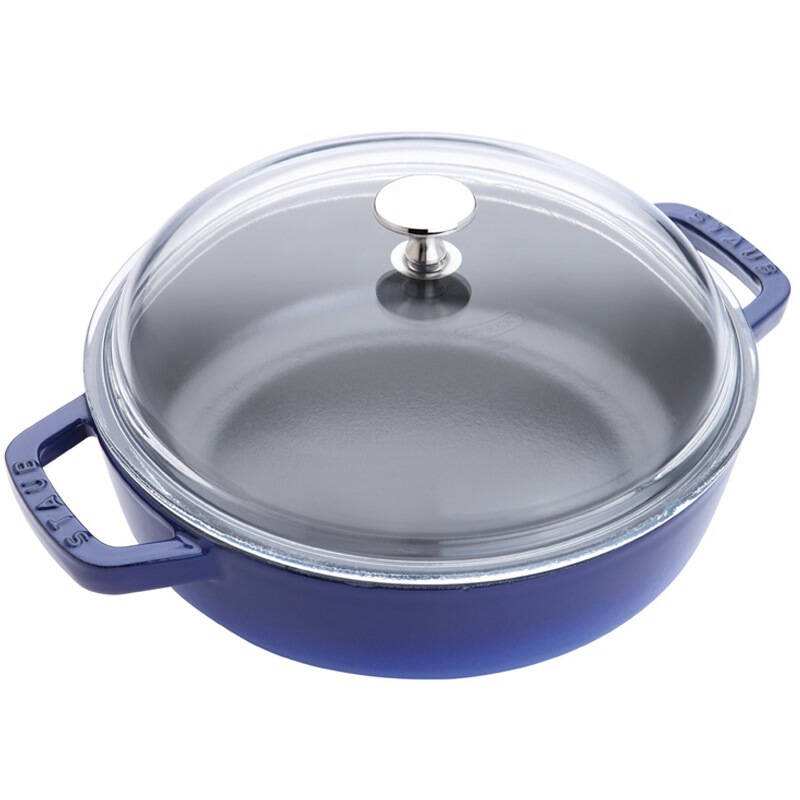
Compared with other molding methods, the advantages of float glass are: it is suitable for producing high-quality flat glass with high efficiency, such as no wave ribs, uniform thickness, flat upper and lower surfaces, and parallel to each other; The scale of the production line is not limited by the forming method, and the energy consumption per unit product is low; High product utilization rate; Easy to handle scientifically and achieve full mechanization and automation, with high labor productivity; The continuous operation cycle can last for several years, which is conducive to stable production; Suitable conditions can be provided for the online production of some new varieties, such as electric float reflective glass, spray coated glass during annealing, cold end surface treatment, etc. Tempered glass cover made of Gefa glass: Gefa, also known as Graveball Flat Pull Method or Deep Pool Flat Pull Method, is an improvement of the shallow pool flat pull method by the Belgians.
Article source: Tempered glass coverhttp://www.yinghuade.com/
-
12-03
Tempered Glass Cover: How to Clean Glass Pot Cover
1. Flour has a strong adsorption effect and can absorb and remove oil stains from the pot lid. The specific steps are to evenly apply flour to the surface of the pot lid, and the amount of flour used
-
12-03
Glass cap manufacturer: Reasons and solutions for foaming of glass bottles after high-temperature spray painting
The primary reason for the foaming of glass bottles during high-temperature spray painting is:1. The coating comes into contact with water or is exposed to high temperatures;2. The solvent evaporates
-
12-02
Silicone pot cover: What is the difference between acrylic panel and glass panel
Distinguishing by chemical properties:Acrylic panels are classified as organic glass panels, which are synthetic plastic panels; Glass panels are classified as inorganic panels.From the perspective of
-
12-01
Market demand for tempered glass covers
The market demand for glass covers will increaseThe material conditions of modern society have been greatly satisfied, and the production of more and more materials and products has reached market sat
Copyright © 2026 Jiangmen Yinghua Technology Industrial Co., Ltd All rights reserved