
How to control the quality of tempered glass
With the widespread application of tempered glass in daily life, the demand for its quality is increasing, which makes tempered glass production enterprises pay more attention to the quality control of glass. The key to quality control often depends on the quality of the process. Glass must be heated to the appropriate temperature, and the temperature of each part of the glass surface should be uniform and not too different. To manipulate this data, three factors must be grasped.
Firstly, based on the load condition of the electric furnace, select a reasonable heating temperature and effectively control the temperature inside the furnace. The heating of glass in a tempering furnace primarily involves conduction, radiation, and convection. The electric furnace load referred to here does not refer to the area occupied by the glass in the electric furnace, but to the relationship between the glass thickness, heating temperature, and heating time. Nowadays, the heating section of the tempered steel electric furnace used by most manufacturers can generally be divided into many small heating zones. Under normal circumstances, there is always glass absorbing heat in the heating area of the central heating element of the electric furnace. In the electric furnace area, there is always glass present, which is regional. The heating effect is also regional. If the heat consumption in a certain area of the electric furnace exceeds the heating effect, the temperature in that area begins to decrease, which is the overload phenomenon. The success of glass tempering depends mainly on the lowest temperature of the glass plate. Once the electric furnace experiences overload, the temperature of the electric furnace will decrease, causing the glass to break when cooling in the cooling section.
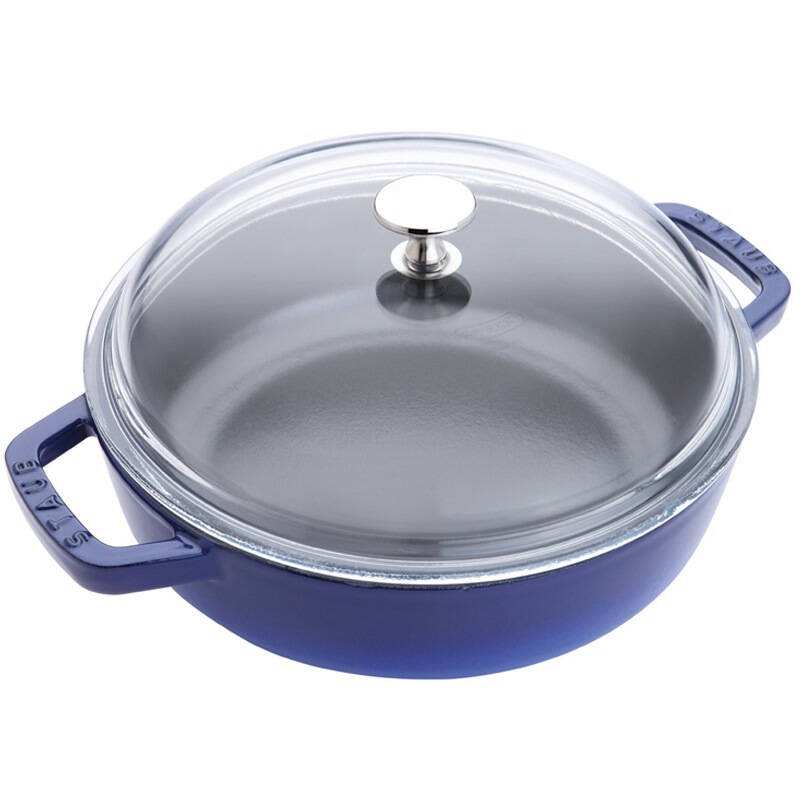
Secondly, choose a reasonable heating time. The heating power of the tempering furnace is fixed, and the generally set heating time is about 35-40 seconds per millimeter thickness of glass. For example, the heating time for 6mm thickness glass is about 6 × 38 seconds=228 seconds. This calculation method is suitable for ordinary flat tempered glass with a thickness less than 12mm. When the thickness of the glass is 12-19mm, the basic calculation method for heating time is about 40-45 seconds per 1mm thickness of glass.
Thirdly, to achieve uniform heating, the placement of glass on the wafer placement table is also crucial. The reasonable placement of glass plates is primarily to ensure the uniformity of longitudinal and transverse loads inside the electric furnace, which means that the placement of glass plates in each furnace and the gaps between each furnace should be uniform at all times.
Secondly, the glass should be cooled at the fastest possible cooling rate, which depends on the thickness and other functions of the glass. The cooling of the front and back of the glass should be balanced; The ideal cooling medium for the cooling stage during the tempering process is dry cold air, and the approximate cooling capacity per unit area is confirmed. Therefore, the cooling capacity required for 5mm glass is more than twice that of 6mm glass.
In the end, during the tempering process, the glass must keep moving and there should be no scratches or deformation marks on the surface of the glass. This motion includes the thermal swing motion of the glass inside the heating furnace, which is to evenly heat the various parts of the glass surface; It also includes the cold swing motion of the glass in the air-cooled section to ensure uniform fragmentation of the glass. The original glass should not have scratches, bubbles, etc., as these conditions can cause the glass to break.
Article source: Tempered glass coverwww.yinghuade.com
-
12-03
Tempered Glass Cover: How to Clean Glass Pot Cover
1. Flour has a strong adsorption effect and can absorb and remove oil stains from the pot lid. The specific steps are to evenly apply flour to the surface of the pot lid, and the amount of flour used
-
12-03
Glass cap manufacturer: Reasons and solutions for foaming of glass bottles after high-temperature spray painting
The primary reason for the foaming of glass bottles during high-temperature spray painting is:1. The coating comes into contact with water or is exposed to high temperatures;2. The solvent evaporates
-
12-02
Silicone pot cover: What is the difference between acrylic panel and glass panel
Distinguishing by chemical properties:Acrylic panels are classified as organic glass panels, which are synthetic plastic panels; Glass panels are classified as inorganic panels.From the perspective of
-
12-01
Market demand for tempered glass covers
The market demand for glass covers will increaseThe material conditions of modern society have been greatly satisfied, and the production of more and more materials and products has reached market sat
Copyright © 2026 Jiangmen Yinghua Technology Industrial Co., Ltd All rights reserved